Gallery 1 · Finding the Way
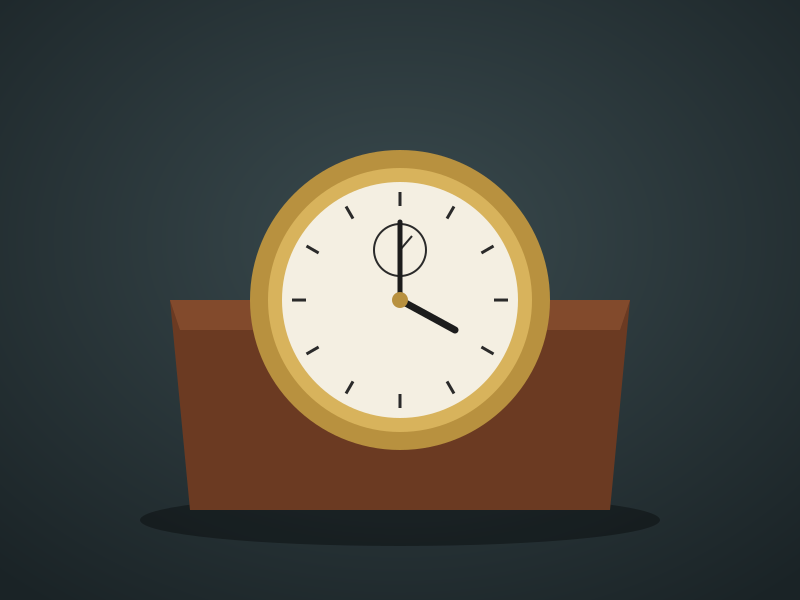
Marine Chronometer No. 1147
Whitcombe & Sons, Liverpool, c. 1862
Brass, glass, mahogany box
Before satellites, a ship's position depended on knowing the exact time back home. This chronometer kept that time at sea, rocking in its gimbals through storms, so the navigator could work out how far east or west the ship had sailed.
Read the full text
Every four minutes of difference between local noon and the time at the home port meant one degree of longitude. A clock that drifted by only a few seconds a day could put a ship miles off course, onto rocks the crew believed were far away.
Chronometer No. 1147 sailed for over forty years on cargo ships between Liverpool and South America. The small brass gimbals kept it level as the ship rolled, and the heavy mahogany box protected it from damp and knocks.
Look closely at the dial and you will see a second, smaller hand marking the hours the spring had left to run. Winding it at exactly the same time each day was one of the most important jobs on board.